A Clear, Professional Economic Outlook for Businesses and Investors
The year 2026 is expected to mark a shift toward greater economic stability after a prolonged period of elevated inflation and tight monetary policy. According to forecasts from the OECD, Morgan Stanley, and other global institutions, the world economy is moving into a phase of measured, gradual recovery—not rapid acceleration, but a clearer and more predictable environment for decision-making.
This article provides an accessible, data-informed overview of the Global Economic Outlook 2026, along with strategic implications for businesses and investors expanding into Asia’s emerging markets.
Global Economic Outlook 2026
Moderate Recovery with Improved Stability

Most global forecasts expect world GDP to grow around 2.5–3.0% in 2026. This reflects a moderate but meaningful recovery, supported by:
- Cooling inflation across advanced and emerging economies
- Normalizing global supply chains
- Stabilizing labor markets
- Reduced volatility in monetary policy expectations
Key takeaway:
2026 is shaping up to be a year in which clarity and stability return, allowing businesses to plan medium-term strategies with greater confidence.
Interest Rate Outlook: More Stability, Not Aggressive Cuts
Central banks are expected to maintain a cautious policy stance
Even though inflation is gradually easing, analysts do not expect major central banks to cut rates aggressively. Instead:
- Policy rates are likely to remain near current levels
- Any rate cuts are expected to be slow and measured
- Monetary policy will prioritize sustainable inflation control over rapid easing
Reports from institutions such as Northern Trust and Morgan Stanley emphasize that central banks aim to maintain the balance between economic support and inflation risk.
Implication for businesses:
More predictable financial conditions reduce uncertainty in investment planning and capital allocation.
Impact on Emerging Markets in Asia
Asia remains the strongest growth region globally

Emerging markets in Asia continue to outperform the global average due to strong fundamentals, including young demographics, digital adoption, and structural economic reforms.
India
- One of the world’s fastest-growing major economies
- Strong digital infrastructure and expanding middle class
- Continues to attract long-term strategic investment
Vietnam
- Key beneficiary of supply chain diversification (China+1)
- Strong manufacturing and export performance
- Growing digital and consumer markets
Philippines
- Expanding digital economy and e-commerce adoption
- Strong BPO sector with global demand
- Rising foreign investor interest
Indonesia
- Largest economy in Southeast Asia
- Major opportunities in EV battery supply chains and infrastructure
- Stable domestic consumption
Malaysia
- Advanced financial and digital infrastructure
- Strategic hub for logistics and high-value technology sectors
Summary:
Asia’s emerging markets are expected to remain top destinations for capital inflows in 2026, particularly in technology, digital services, logistics, renewable energy, and advanced manufacturing.
Sectors Expected to Perform Well in 2026
Supported by structural shifts and improving macroeconomic conditions
E-Commerce & Digital Economy
Growth supported by digital adoption and online consumer behavior.
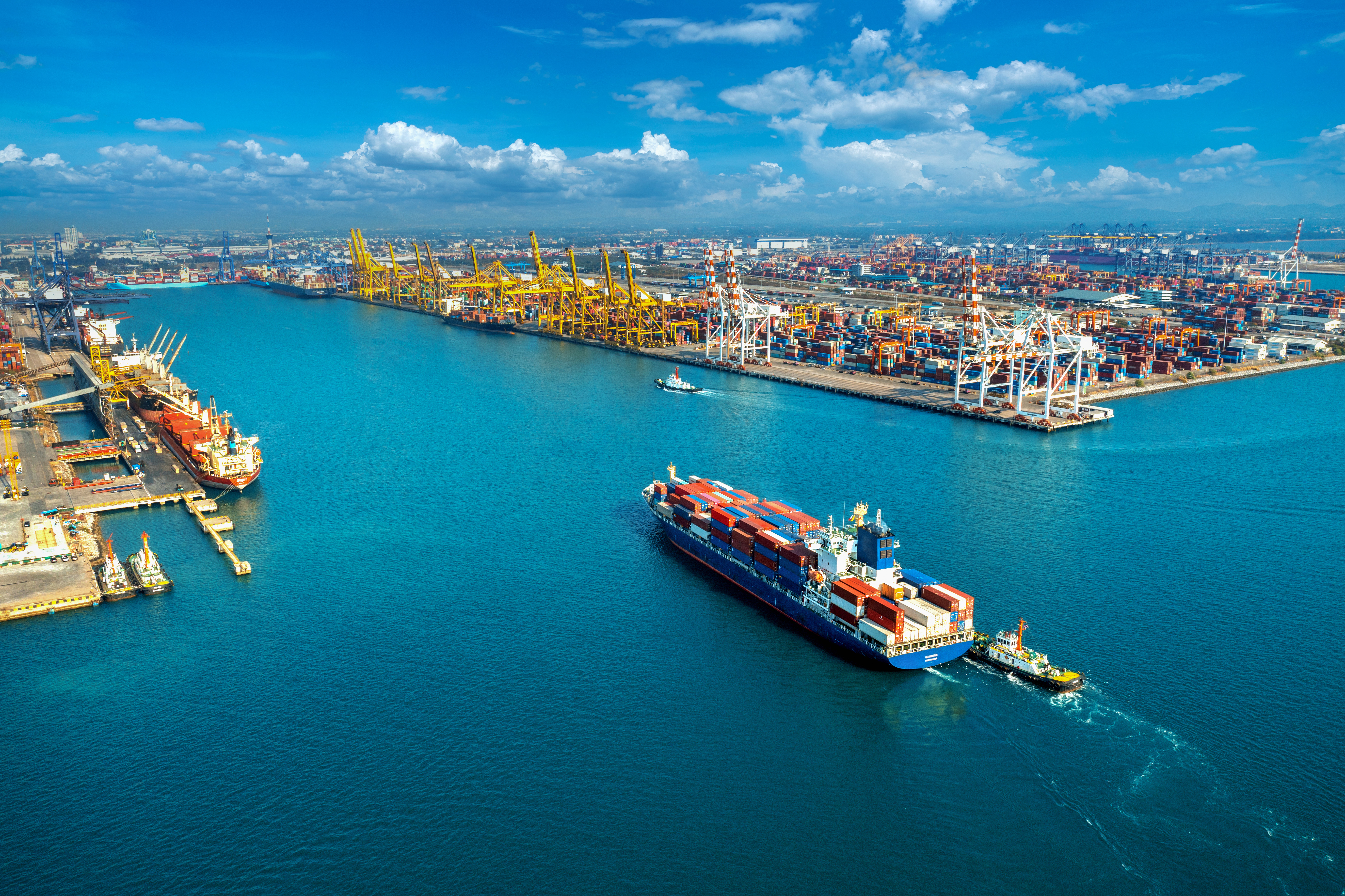
Logistics & Fulfillment
Supply chain restructuring across Asia continues to drive demand for warehousing and last-mile logistics.
Technology & AI
Businesses are reinvesting in digital transformation, automation, and next-generation AI tools as financial conditions stabilize.
Renewable Energy
Governments across Asia are scaling climate commitments, boosting investment in solar, wind, and clean energy infrastructure.
Key Risks to Monitor
External factors that could influence economic performance
Despite improving stability, several global risks remain:
- Geopolitical tensions affecting supply chains
- Uncertain trade policy environments
- Energy price volatility
- Debt burdens in some emerging economies
Balanced view:
2026 offers more stability, but not a risk-free environment. Scenario planning and risk management remain essential.
Conclusion: 2026 Is a Year of Stability, Clarity, and Strategic Opportunity
A favorable year for planning, expansion, and investment in Asia
Key themes for 2026:
- Monetary policy becomes more stable
- Global growth remains moderate but predictable
- Emerging markets in Asia continue to outperform
- High-potential sectors include digital economy, logistics, technology, and renewable energy
- Businesses gain clearer visibility for medium-term planning
Overall insight:
2026 is well-positioned to be a strategic year for expansion into Asia—particularly for companies focusing on high-growth emerging markets.
Contact InvestinAsia
Your Partner for Market Entry and Business Expansion Across Asia
Tel: (+66) 2 1188 999
Email: hello@investinasia.co.th
Website: https://investinasia.co.th