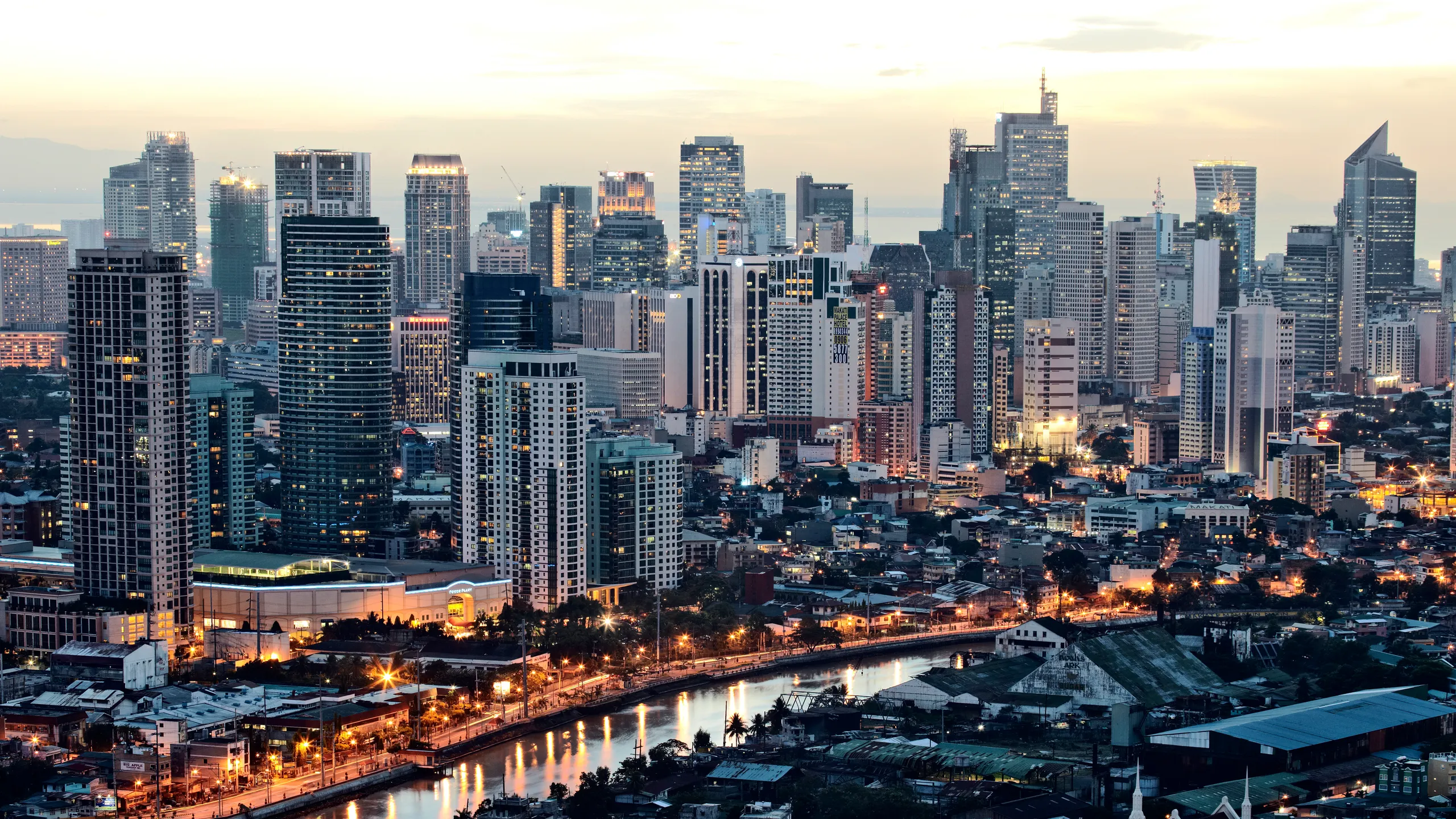
The Philippines has rapidly strengthened its position as one of ASEAN’s most promising business destinations, driven by economic stability, pro-investment reforms, and improved accessibility for foreign businesses. Over the past few years, the government has liberalized multiple laws, streamlined business procedures, and expanded incentives — making it significantly easier for international companies to enter and operate in the market.
For Thai and global investors seeking strategic expansion in Southeast Asia, the Philippines offers a compelling combination of market size, workforce capability, and sector opportunities. Below is a fact-checked and up-to-date overview of why the country is gaining investor attention.
A Large and Growing Consumer Market
With a population exceeding 118 million, the Philippines is one of Asia’s largest domestic markets. Its demographic profile is a major economic asset:
- A young, urbanizing population
- Growing middle-class consumption
- Expanding digital adoption and e-commerce usage
While exact growth rates vary by year, the Philippines has consistently been one of Southeast Asia’s higher-growth economies, fueled by domestic spending, remittances, and the services sector.
What this means for investors:
Consumer goods, F&B, retail, fintech, and lifestyle brands have strong scalability potential — especially in major cities like Manila, Cebu, and Davao.
Pro-Investment Legal Reforms Supporting Foreign Ownership
In recent years, the Philippines has introduced some of its most significant economic reforms in decades — opening more industries to foreign investors.
Key reforms include:
- Foreign Investments Act Amendments (RA 11647, 2022)
Allows 100% foreign ownership in many sectors not restricted under the Foreign Investment Negative List, provided compliance conditions are met.
- Retail Trade Liberalization Act (RTLA)
Lowered capital requirements for foreign-owned retail businesses.
- Public Service Act Amendments
Liberalized selected public services — allowing higher foreign participation in sectors like telecommunications and select transportation segments.
- CREATE Act
Reduces corporate income tax and introduces performance-based incentives for qualified enterprises.
Important note:
Restrictions still apply to certain protected sectors, including mass media, land ownership, and specific public utilities. For domestic market enterprises, minimum capital or local employment requirements may also apply.
What this means for investors:
Foreign entrepreneurs can now enter far more industries than before — especially in tech, services, manufacturing, outsourcing, and export-oriented businesses.
A Competitive, English-Proficient Workforce
The Philippines is globally recognized for its English-speaking talent pool, particularly in:
- IT & software development
- Business Process Outsourcing (BPO)
- Creative & digital services
- Customer support & finance
This reputation is validated by the continued expansion of global outsourcing companies in Metro Manila and Cebu. Labor costs remain competitive compared to Western and North Asian markets.
What this means for investors:
The Philippines is ideal for establishing regional service centers, shared service operations, and remote teams with high communication capability.
Strategic Location for Regional Trade & Operations
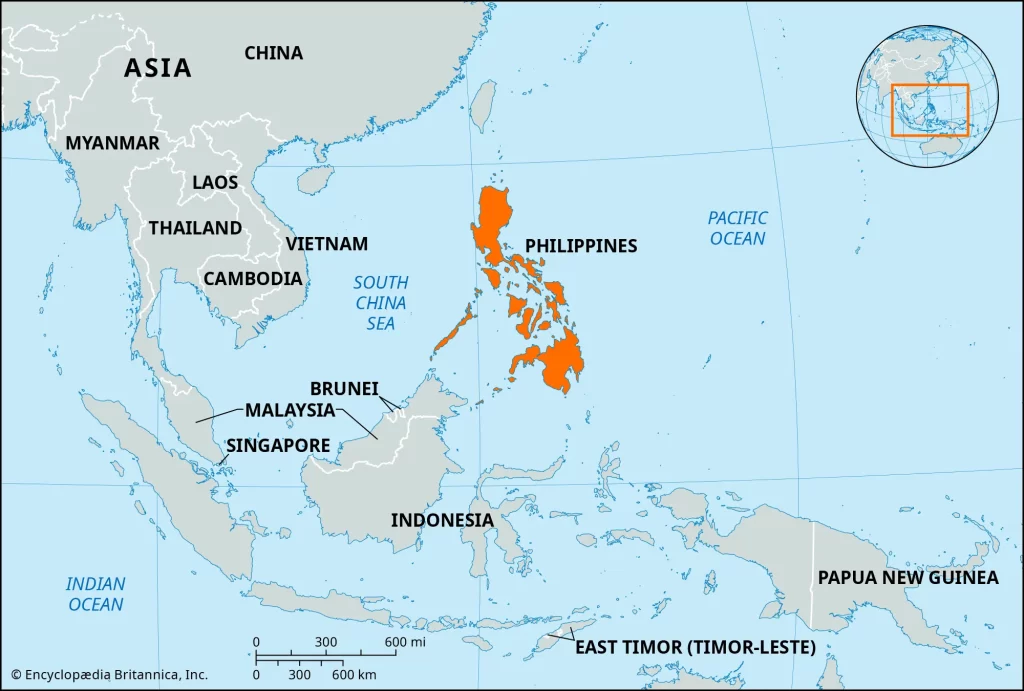
Geographically, the Philippines sits at the heart of East and Southeast Asia, providing strategic logistics access to:
- China, Japan, and South Korea
- Singapore and Malaysia
- Vietnam and Indonesia
Major international airports and deep-sea ports in Manila, Subic, Clark, and Cebu allow companies to integrate directly into regional supply chains.
What this means for investors:
The country is suited for manufacturing, assembly, export services, and distribution hubs that serve multiple ASEAN and APAC markets.
High-Growth Opportunities in Priority Sectors
The Philippine government actively promotes investment in sectors targeted for long-term national development. These include:
- Technology & IT services
- Manufacturing (electronics, auto parts, components)
- Tourism, hospitality & F&B
- Renewable energy (solar, wind, hydro)
- Healthcare, wellness & medical tourism
- Logistics and e-commerce infrastructure
- Creative and digital industries
These sectors benefit from CREATE incentives and more flexible foreign participation rules.
What this means for investors:
Businesses in innovative, export-driven, or services-based industries can leverage both tax incentives and growing market demand.
Improved Urban Lifestyles & Expat Support

Major cities such as Bonifacio Global City (BGC), Makati, Cebu IT Park, and Davao offer:
- Modern office infrastructure
- International schools & hospitals
- Vibrant dining, nightlife, and community hubs
- Large and active expat populations
The growing ease of doing business — including digitalized corporate filings and online tax portals — further supports long-term operations.
Is the Philippines the Right Market for Your Business?
With pro-investment reforms, sector liberalization, and strong domestic demand, the Philippines has earned its position as one of ASEAN’s rising business hubs. However, navigating restrictions, incentives, and compliance requirements requires expert guidance.
Need the right structure and a smooth incorporation process?
InvestinAsia guides you through every step with clarity and compliance.
Tel: (+66) 2 1188 999
Email: hello@investinasia.co.th
Website: https://investinasia.co.th